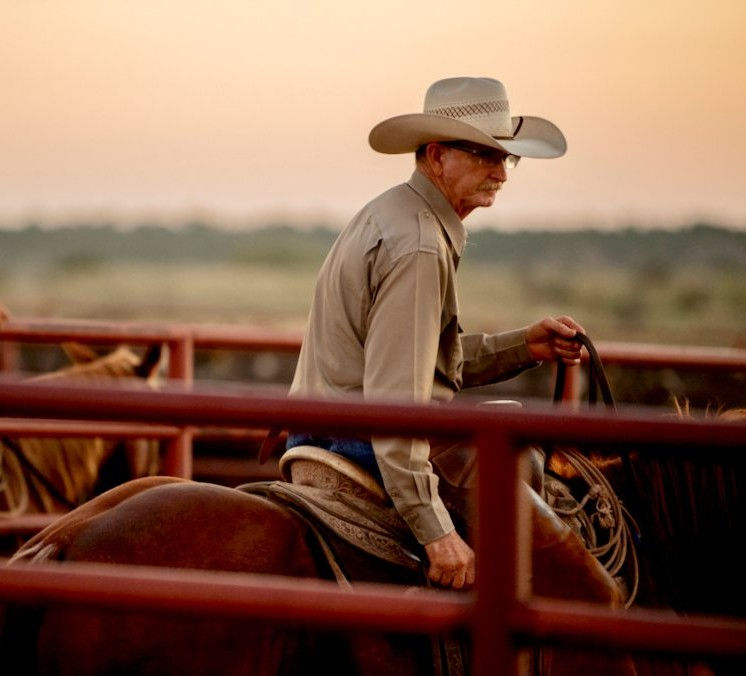
The Texas Ranger Division of the Department of Public Safety - 2023

200th Year Anniversary

Induction Year: 2023
Founded: 1823Mexican Texas
Primary Discipline: Law Enforcement
Profession / Role: Statewide Investigative Law Enforcement Division
Primary Skills: Criminal Investigation; Tactical Operations; Border and Intelligence Support
Known For: One of the oldest law enforcement agencies in North America. Two centuries of investigative service and public safety operations in Texas.
Early Life and Background
The Texas Rangers were established in 1823 when Stephen F. Austin called upon volunteers to “range” the frontier and protect settlers in Mexican Texas. Modeled in part on Spanish frontier “flying companies,” the original Rangers were tasked with defending Austin’s colony—known as the Old 300—from raids and criminal activity.
During the Texas Revolution, Rangers served in defensive and scouting roles, helping protect retreating civilians and gathering intelligence ahead of major engagements, including the decisive Battle of San Jacinto. As Texas transitioned from republic to statehood, the Rangers evolved from a loosely organized volunteer force into a more structured law enforcement body.
In 1874, the Texas Legislature authorized a permanent Ranger force. In 1935, the modern Texas Ranger Division was formally incorporated into the Texas Department of Public Safety, establishing its present administrative framework.
Professional Career and Rise
Over two centuries, the Rangers have played a central role in Texas history. In the 19th century, they were involved in frontier conflicts, pursuit of outlaw gangs, and border enforcement. They participated in the capture or pursuit of notable criminals including John Wesley Hardin, King Fisher, Sam Bass, Bonnie Parker, and Clyde Barrow.
The Rangers contributed to technological and procedural developments in law enforcement. In the mid-1840s, Ranger collaboration with Samuel Colt led to the development of the Colt Walker revolver, an advancement in repeating handgun design. In 1891, Rangers used forensic investigative techniques to secure a murder conviction in Maverick County—an early example of scientific evidence in Texas courts.
The division has also been associated with early innovations such as one of Texas’ first automobile pursuits in 1910 and aerial reconnaissance operations in the 1920s targeting illicit activities.
The organization’s history includes periods of controversy. In the early 20th century, particularly during border unrest associated with the Mexican Revolution, some Rangers were implicated in unlawful violence and abuses of authority. Subsequent legislative reforms introduced stricter oversight, professional standards, and formalized recruitment requirements. These reforms contributed to the modern professionalization of the division.
Today, the Texas Ranger Division operates as an elite investigative branch of the Texas Department of Public Safety. Authorized strength is set by the Texas Legislature, with Rangers assigned across multiple field companies statewide. Headquarters operations are based in Austin, with regional offices throughout Texas.
Modern responsibilities include major criminal investigations, public corruption cases, officer-involved shooting investigations, border security operations, and special response deployments. The division maintains specialized units including SWAT, crisis negotiation, bomb squad, intelligence centers, and child protection initiatives. Rangers frequently assist local, state, and federal agencies in complex cases, including organized crime and serial offender investigations.
Legacy and Impact
The Texas Rangers occupy a distinctive place in American law enforcement history. Their legacy includes both celebrated service and documented challenges reflective of evolving legal and social standards. Over time, reforms have shaped the division into a professional investigative agency emphasizing training, accountability, and interagency cooperation.
Culturally, the Rangers have been widely depicted in literature, film, and television, contributing to a global image of Texas frontier lawmen. These portrayals have amplified public interest in the organization’s history, while the division itself continues to define its identity through modern investigative practice rather than mythology.
In 2023, the Texas Cowboy Hall of Fame recognized the 200th anniversary of the Texas Rangers, acknowledging their longstanding role in the development and protection of the State of Texas.
Later Years
Entering their third century of service, the Texas Rangers continue to function as a statewide investigative division. With evolving responsibilities in intelligence coordination, border operations, and high-risk response, the organization reflects the integration of traditional law enforcement presence with contemporary investigative technology and forensic science.
The Texas Ranger Hall of Fame and Museum in Waco preserves and interprets the division’s history, offering educational resources on both its early frontier origins and its modern responsibilities.
Honors and Recognition
Bicentennial Recognition, Texas Cowboy Hall of Fame, 2023
Ongoing preservation and interpretation through the Texas Ranger Hall of Fame and Museum
Links and References
Texas Ranger Hall of Fame & Museum - https://www.texasranger.org
Texas Ranger Bicentennial - http://www.texasranger2023.org
Texas Rangers Foundation - https://www.traf.org